trentf24057061
About trentf24057061
Modafinil Without Prescription: An Observational Study on Utilization, Results, And Implications
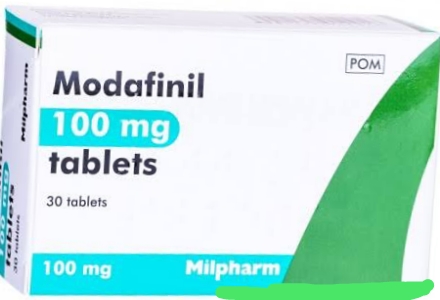
Modafinil, a wakefulness-promoting agent, has garnered important consideration since its introduction as a remedy for narcolepsy, sleep apnea, and shift work sleep disorder. However, its off-label use has surged, notably among wholesome individuals looking for cognitive enhancement. This observational research article delves into the patterns of modafinil use and not using a prescription, exploring the motivations behind its consumption, perceived effects, and the broader implications for public well being and security.
Introduction
The rise of cognitive enhancers, or nootropics, displays a rising societal curiosity in optimizing mental performance. Among these, modafinil stands out on account of its relatively favorable security profile in comparison with traditional stimulants like amphetamines. As the demand for improved focus, productiveness, and alertness increases, many people are turning to modafinil with out a prescription. This text aims to provide an observational overview of how modafinil is used exterior of clinical settings, highlighting consumer demographics, motivations, and potential risks.
Methodology
This observational study was performed by way of a mix of on-line surveys and interviews with modafinil customers throughout various platforms, including forums, social media groups, and academic circles. Individuals had been recruited based mostly on their self-reported use of modafinil without a prescription. If you liked this informative article along with you desire to receive more information with regards to buy modafinil online 100 mg, just click the next post, generously stop by our own web-page. The survey included questions on demographics, causes for use, dosage, frequency, and perceived effects. Moreover, qualitative interviews provided deeper insights into the user experience.
Person Demographics
The findings revealed various demographics amongst modafinil customers. Nearly all of individuals were between the ages of 18 and 35, with a notable representation from school college students, professionals in excessive-demand fields, and individuals engaged in artistic industries. A major proportion recognized as being in academic or intellectually demanding environments, suggesting that the allure of cognitive enhancement is especially strong in these contexts.
Motivations for use
Individuals cited varied motivations for utilizing modafinil with no prescription. The most common reasons included:
- Enhanced Focus and Focus: Many customers reported that modafinil helped them maintain attention during long research periods or while working on advanced duties.
- Increased Productiveness: Users typically described modafinil as a device for boosting productiveness, notably throughout intervals of heavy workload or tight deadlines.
- Combatting Fatigue: Some people turned to modafinil to counteract fatigue from irregular sleep patterns or demanding schedules, especially in professions requiring lengthy hours.
- Cognitive Enhancement: A subset of users aimed to improve reminiscence, creativity, and total cognitive operate, searching for a aggressive edge in each academic and skilled settings.
Perceived Effects
The results of modafinil assorted amongst customers, with many reporting optimistic experiences. Commonly reported effects included:
- Increased Wakefulness: Customers frequently famous a major discount in feelings of tiredness and an enhanced skill to stay awake and alert.
- Improved Cognitive Function: Many contributors described clearer considering, higher drawback-fixing talents, and enhanced data retention while utilizing modafinil.
- Mood Enhancement: Some users reported experiencing a mild mood carry, which contributed to a extra constructive outlook during durations of excessive stress.
Nonetheless, not all experiences had been uniformly positive. Some customers reported unwanted side effects akin to complications, anxiety, and insomnia, notably when taking increased doses or utilizing the drug frequently.
Dangers and Issues
Regardless of the perceived advantages, using modafinil without a prescription raises a number of issues. The lack of medical oversight can result in misuse and potential health dangers. Some customers might underestimate the importance of proper dosing, resulting in adverse effects. Furthermore, the lengthy-time period effects of modafinil use in healthy people remain largely unknown, raising questions on security and dependency.
Additionally, the accessibility of modafinil by online pharmacies and illicit markets poses a major public health problem. The convenience of obtaining the drug with out a prescription may encourage irresponsible use, notably among younger adults who could not fully understand the implications of cognitive enhancers.
Ethical and Authorized Implications
The non-prescription use of modafinil also presents moral and authorized dilemmas. In many nations, the sale and distribution of modafinil and not using a prescription is against the law, yet enforcement is often lax. The normalization of cognitive enhancement raises questions about fairness and fairness, particularly in competitive environments like academia and the office. If modafinil turns into a common device for performance enhancement, it could create an uneven playing subject, the place those unable or unwilling to use such substances could also be at a drawback.
Conclusion
The observational study of modafinil use and not using a prescription reveals a complex landscape of motivations, experiences, and implications. While many users report constructive results, the potential dangers and ethical issues related to unsupervised use can’t be missed. As the recognition of cognitive enhancers continues to develop, it is essential for healthcare professionals, policymakers, and society at massive to engage in open discussions concerning the accountable use of such substances. Additional analysis is needed to better understand the lengthy-time period results of modafinil on healthy individuals and to develop pointers that guarantee secure and equitable entry to cognitive enhancement tools.
In abstract, whereas modafinil presents thrilling prospects for cognitive enhancement, the necessity for warning, education, and regulation is paramount to safeguard public well being and make sure that the pursuit of improved mental performance does not come at an unacceptable value.
No listing found.