ilanapepper879
About ilanapepper879
Solicitor directories are more than just online databases.
Their case highlighted not only individual failings but also systemic problems in how police and courts handled terrorism-related prosecutions.
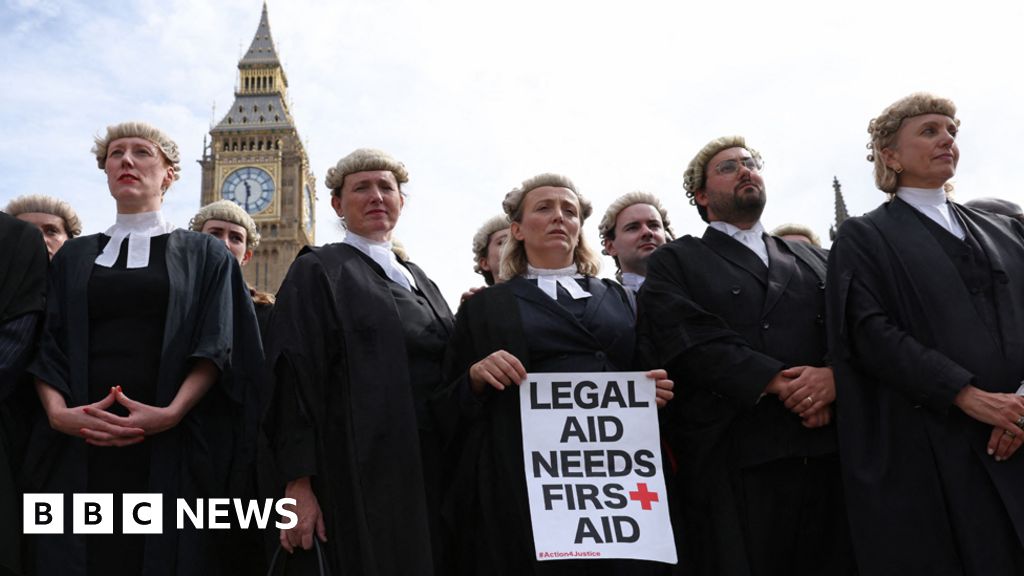 Court procedures are governed by rules and protocols developed specifically for Scotland, such as the Criminal Procedure (Scotland) Act 1995 and the Rules of the Court of Session.
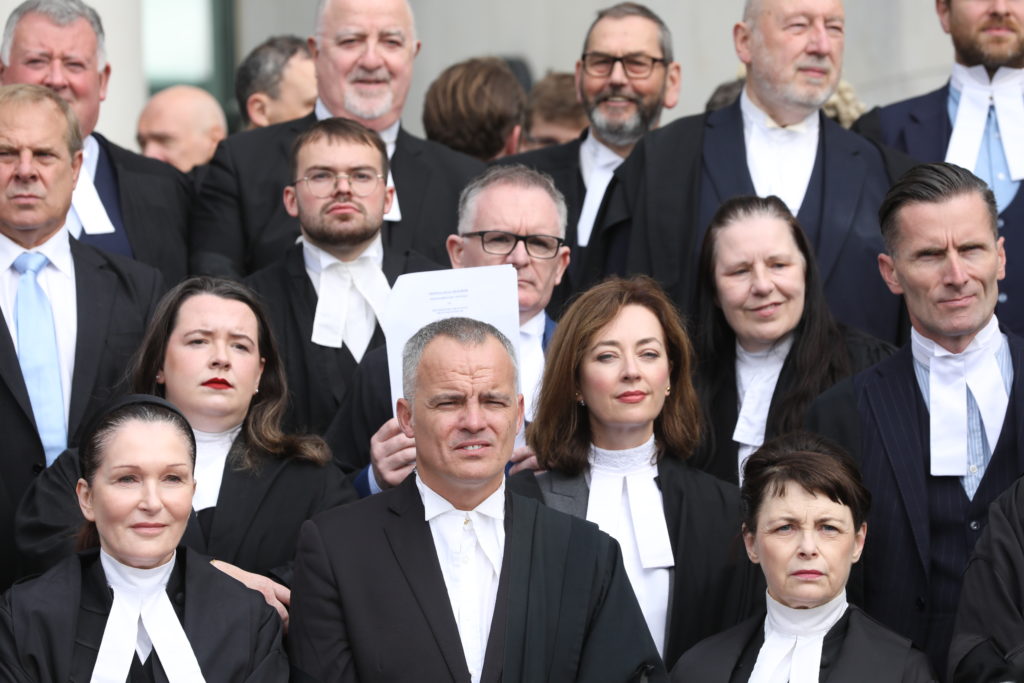 At a police investigation by the Service Police or by the Ministry of Defence Police a detained person has an absolute right to free article and impartial legal recommendation.
If you adored this information and you would such as to obtain more details relating to laws kindly check out our own internet site. It took over 16 years for their convictions to be quashed, during which time they spent years in prison for crimes they didn’t commit. Ultimately, law court accidents in the UK are a real issue that deserves more attention.
In conclusion, mistakes in UK law courts are an unfortunate reality in any complex legal system. In criminal cases, sheriffs may hear summary cases (less serious offences) and solemn cases (more serious offences, potentially with a jury).
The Criminal Cases Review Commission (CCRC) was established to help investigate potential miscarriages of justice, but critics argue that it is underfunded and too cautious in referring cases back to the courts.
Challenges to verdicts are a key part of addressing mistakes, but the process is often complex. Scottish court proceedings are generally held in English, although Gaelic may be used in certain circumstances.
While the UK prides itself on having a reliable legal system, mistakes do happen—and their consequences can be profound. One of the most famous examples is the case of the Birmingham Six.
Many people lack the resources to appeal, and legal aid cuts in recent years have made it harder for wrongly convicted individuals to get the help guide they need.
An investigation found that recent building renovations had not been properly completed, and debris had not been secured.
From wrongful convictions to procedural blunders, the impact of legal errors is felt by individuals, families, and society as a whole.
While courts are primarily places of law and order, they are also physical spaces that must adhere to health and safety standards like any other public facility.
In older court buildings, maintenance issues can increase the likelihood of injury.
High Court of Justiciary Often referred to as ”the High Court”. Sheriff Courts are central to Scotland’s legal proceedings. Civil matters in Sheriff Courts include family law, debt recovery, and personal injury claims. The incident delayed proceedings and raised broader questions about investment in court infrastructure across the UK.
These include falling hazards, poorly maintained infrastructure, inadequate signage, faulty lifts, or overcrowding.
A particularly unusual case involved a juror who sustained a concussion after a ceiling tile fell in a Crown Court. A group of people rights organisations will take the British authorities to the European Court of Human Rights over allegedly indiscriminate mass surveillance of communications.
Cracked tiles, exposed wiring, or uneven staircases have all contributed to documented incidents in court facilities across the country. Whether through slip hazards, poor infrastructure, or negligence in maintenance, these accidents can have serious legal and financial consequences.
And the bit about ‘females not being wanted’ was deliberate, because right here I’ve transposed ‘MALE’ rather than ‘female’ and it comes out as an announcement that might as well have been lifted word-for-word from fairly a few articles and tales appearing within the UK national press over the past 2-three years the place this sort of appalling slight to the male half of the population has been pushed without so much as hint of diffidence or apology.
While many safeguards exist to protect against error, they are not always effective, especially for those with limited means or facing systemic bias.
Physical mishaps inside UK courts can happen for a variety of reasons. For example, data mix-ups or incorrect record entries can affect sentencing or bail conditions. They handle both civil and criminal cases and are overseen by sheriffs—legally qualified judges.
These men were wrongly convicted in 1975 for pub bombings carried out by the IRA. All members of the Forces Legislation Courts-Martial panel are impartial lawyers and aren’t employed or retained by the Ministry Of Defence but are solicitors in personal observe who concentrate on providing skilled recommendation and help guide.
From the wrongful convictions of the past to present-day digital errors, the need for vigilance, reform, and fairness remains constant.
Technology and digitisation have brought improvements but also new risks. Errors in digital evidence, lost documentation, or cyber mishaps can have serious consequences.
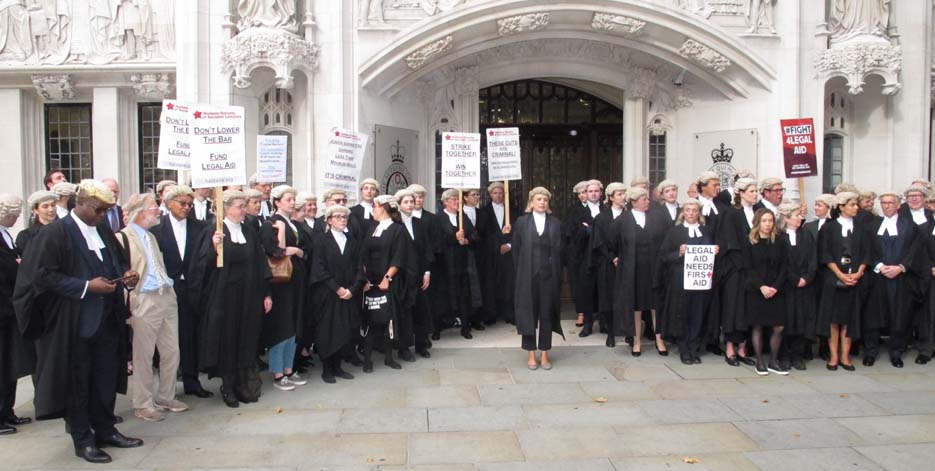 Although courts are associated with justice and legal proceedings, they are also public buildings—meaning they are not immune to mishaps that can affect staff, visitors, legal professionals, or even defendants.
No listing found.